
Unsolicited Emails? Watch for These Red Flags
-
 Lydia Jacobson
- Reading Time: 8 Minutes

SHARE
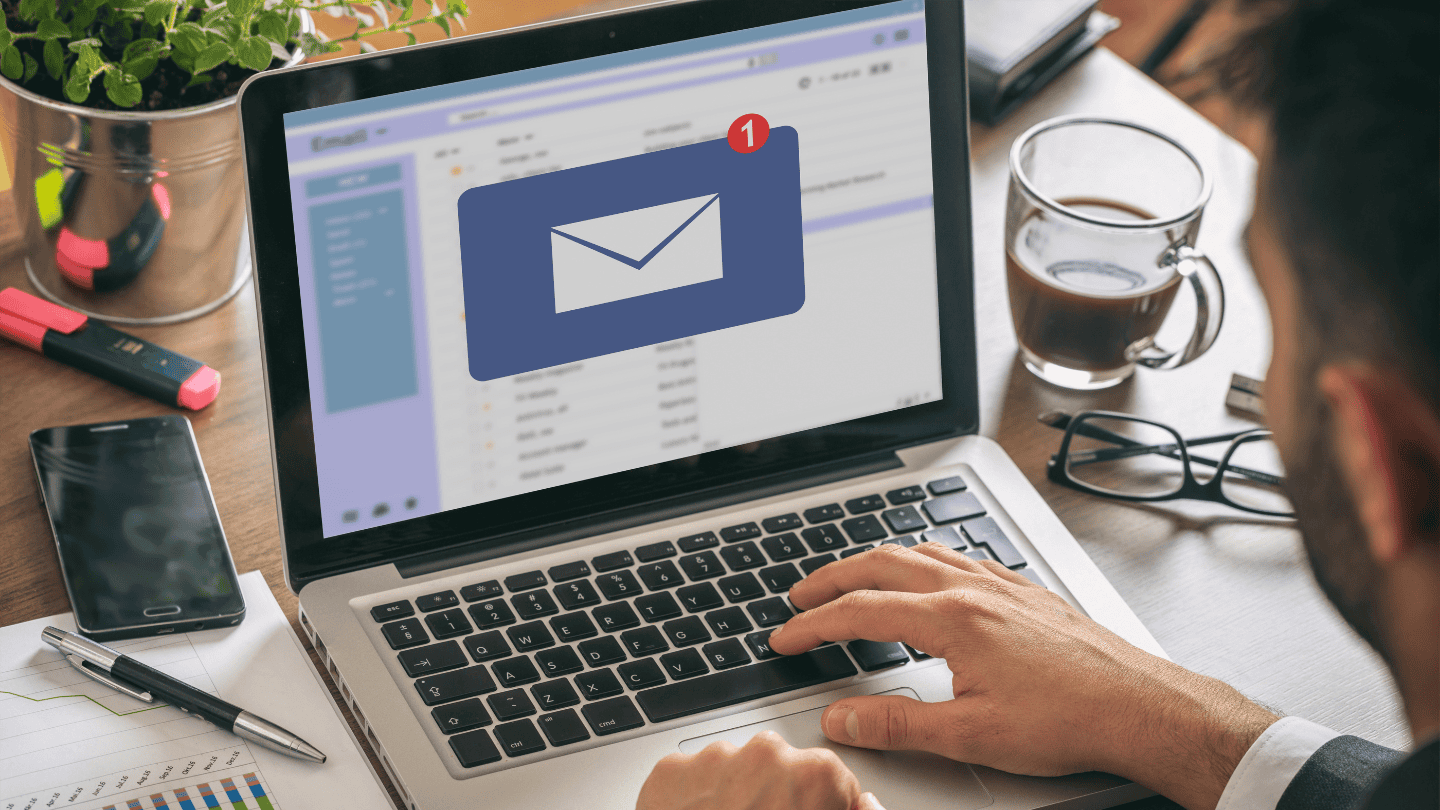
More and more authors are receiving emails claiming to represent radio stations, television programs, podcasts, media outlets, book clubs, and marketing and promotional services. These messages often promise interviews, features, or opportunities to share their work with new audiences. While these emails can be exciting to receive and may seem like genuine interest in your work at first glance, an increasing number of them are actually designed to sell marketing services or paid editorial packages, or otherwise collect money from authors rather than provide legitimate opportunities.
In recent years, there’s been a rise in AI-Driven marketing scams targeting authors. Artificial intelligence tools have made it easier than ever to quickly gather publicly available information from author websites, publisher pages, and online booksellers, allowing scammers to personalize emails with book descriptions, author bios, and other details that make their messages appear more credible. Whole websites can be built in minutes, lending fake credibility to an outlet.
While an unsolicited email is reason to pause and evaluate, not every cold email is a scam. It’s important to know what to look for when vetting the legitimacy of a message. Below are a few red flags to watch for when these emails hit your inbox.
1. The Email is Unsolicited
Media contacts do not search the internet for contributors and then solicit them. Neither do most marketing service agencies, publishers, or other comparable professionals. If you’re receiving an email out of the blue, from someone you’ve never engaged with, put on your critical hat and read carefully.
2. The Email Comes From a Gmail Address (or AOL, Hotmail, etc.)
One of the first things to check is who the message is coming from. Many scammers impersonate media outlets or publicists, using a real person’s name while sending the message from a free email service, like Gmail, instead of the organization’s official domain. Established media typically communicate through an email address associated with their organization.
3. There’s an Excessive Amount of Flattery
A common characteristic we see in scam emails is excessive flattery directed toward authors and their books. A lot of these scam emails are lengthy, with a large portion of the message being devoted to over-the-top praise. Legitimate producers, reporters, and hosts are more likely to keep their messages concise and direct, without a surplus of persuasive and charming language.
4. The Message Repeats Your Own Book Description and Bio
AI tools and other automated methods can easily pull content from Amazon listings, publisher pages, and author websites to create the illusion of familiarity. If the “personalization” of the email is really just details that can already be found publicly, none of it proves they took a genuine interest in your book, as enthusiastic as the message may be. Also, ask yourself why are they telling you about yourself and your book in such detail? It doesn’t make sense and is a red flag.
5. It’s Generic, Vague, and Contains Common AI-Assisted Marketing Language
Generic praise, vague promises of exposure, unclear descriptions of the opportunity, and language encouraging you to respond quickly are common hallmarks of scams. A producer or journalist should be able to explain exactly who they are and what outlet they represent. A common tactic is encouraging an immediate, low-effort response with phrases like “Just reply with a yes and I’ll send everything over.”
6. The Email Contains Odd Formatting
Another sign is if the email contains various fonts, inconsistent bolding, incorrect capitalization, and disorganized spacing. Formatting issues alone do not confirm a scam, but they may indicate that the message was mass-produced rather than a genuine media invitation. Also, the email address itself may have an unconventional format, such as info.personsname@gmail.com.
7. You’re Asked For a Fee or Investment
One of the biggest red flags is being asked to pay for the opportunity. Genuine news outlets, radio stations, and editorial programs generally do not charge guests for coverage. Some emails seek a fee for things that don’t even cost money, like Goodreads lists and groups. If an invitation evolves into paid publicity packages, audience development services, cover design, SEO, or other marketing services, it’s likely a promotional solicitation or a scam offer that may not even result in services or opportunities received after payment
8. The Media Outlet or Organization is Difficult to Verify
Check whether the publication, radio station, podcast, or TV program actually exists. Look for an established website, recent content, staff directory, and contact information. Be cautious if the website contains AI-generated staff photos, has mismatched branding or URLs, or lacks basic information.
Sometimes, scam emails will claim to represent legitimate media outlets or companies and may even use the names of real producers, reporters, or other staff members. This can make the email even more convincing, but it’s important to look for patterns rather than relying on a single clue. Does the sender’s email address match the organization’s domain? Is the tone overly complimentary or generic? Does the email simply repeat information from your author bio or book description? Consider the full picture.
What To Do If You’re Unsure
Since these messages can appear sophisticated, personal, and filled with admiration and opportunity, determining whether an opportunity is a scam can feel overwhelming.
When evaluating these emails, take time to verify the details. Visit the outlet’s official website, research the person who contacted you, and take note of any inconsistencies.
You can also directly ask the sender for more details about the opportunity and examples of previous coverage. If they cannot clearly answer your questions, or the conversation turns into a sales pitch, it’s best to walk away. But if you see several of the red flags from this list, it’s probably best not to engage at all.
Learn to Assess What’s Worth Your Time
We’ve seen how these scam messages have evolved in just a few short years with the rise of AI, but the core warning signs often remain the same: vague or bold promises, unclear identities, pressure to respond quickly, and requests for payment. Learning how to recognize these patterns can help you make informed decisions that ensure you’re engaging in worthwhile opportunities.
There’s a lot that goes into navigating your journey as an author. If you’re looking for more guidance, PR by the Book can help. Contact us to learn how we can support you and build your professional brand. A professional publicist can also help you vet opportunities and separate legit from scam.
Looking for more information on what a book publicist can do for you, and how you can promote your work? Check out these articles:
The Pros and Cons of Hiring a Book Publicist
How To Maximize Media Hits: A Social Media Strategy for Authors
Click here to view the January newsletter.
Highlights from this issue:
- New Blog Post: From In-House to Agency—What 165 Years of Publicity Experience Reveals: What happens when book publicists step out of the publishing house and into the agency world? Drawing on 165 years of combined experience, the PR by the Book team reflects on how success metrics, media strategy, and author relationships have evolved. It’s an inside look at what’s changed—and what still works—in book publicity today.
- PR by the Book Pearl Drops: This month’s curated resources bring you the latest publishing and publicity insights to inspire fresh ideas for your author journey.
- Webinar Spotlight: Lead with Swagger—Owning Your PR Moments with Confidence: Discover how to captivate your audience and show up with impact in every PR opportunity. Featuring TEDx speaker and award-winning author Jennifer Mrozek Sukalo, this webinar explores how to deliver clear, concise messages, weave memorable stories, and bring real swagger to interviews and speaking engagements. Attendees will gain practical tools to articulate their message without rambling, boost credibility and visibility, and leave a lasting impression—feeling more prepared, more polished, and more powerful every time they step into the spotlight.
In the Media: Catch up on the latest notable coverage secured for our authors across respected outlets.
Click here to view the December newsletter.
Highlights from this issue:
- New Blog Post: From In-House to Agency—What 165 Years of Publicity Experience Reveals: What happens when book publicists step out of the publishing house and into the agency world? Drawing on 165 years of combined experience, the PR by the Book team reflects on how success metrics, media strategy, and author relationships have evolved. It’s an inside look at what’s changed—and what still works—in book publicity today.
- PR by the Book Pearl Drops: This month’s curated resources bring you the latest publishing and publicity insights to inspire fresh ideas for your author journey.
- Webinar Spotlight: Lead with Swagger—Owning Your PR Moments with Confidence: Discover how to captivate your audience and show up with impact in every PR opportunity. Featuring TEDx speaker and award-winning author Jennifer Mrozek Sukalo, this webinar explores how to deliver clear, concise messages, weave memorable stories, and bring real swagger to interviews and speaking engagements. Attendees will gain practical tools to articulate their message without rambling, boost credibility and visibility, and leave a lasting impression—feeling more prepared, more polished, and more powerful every time they step into the spotlight.
In the Media: Catch up on the latest notable coverage secured for our authors across respected outlets.
Click here to view the November newsletter.
Highlights from this issue:
- New Blog Post: 11 Creative Ways to Bring Your Backlist Back to Life: Think your older titles are “done”? Think again. Your backlist is one of the most valuable (and most overlooked) assets in your author toolbox. These books already have reviews, credibility, and loyal readers—they just need a little strategic spotlight to start performing again. In our latest blog post, we reveal 11 practical, creative ways to breathe new life into your backlist.
- PR by the Book Pearl Drops: This month’s curated resources bring you the latest publishing and publicity insights to inspire fresh ideas for your author journey.
- Podcast Spotlight: The Catalytic Leadership Podcast: Our founder, Marika, recently sat down with former client, Jennifer Sukalo, host of the new podcast Lead with Swagger, to explore what true swagger really means—and why it’s not about being the loudest person in the room. Together, they talked about confidence, storytelling, and the myths around “imposter syndrome.” Marika shared insights from nearly three decades in publicity, revealing how authentic presence, self-awareness, and personal stories can elevate both authors and leaders alike.
In the Media: Catch up on the latest notable coverage secured for our authors across respected outlets.
Click here to view the October newsletter.
Highlights from this issue:
- New Blog Post: Media Training for Authors: Every media opportunity, whether it’s a live TV segment, a podcast interview, or answering written questions for an online feature, requires a slightly different approach. In this Jane Friedman webinar, our founder, Marika Flatt, shares practical strategies for presenting with confidence across TV, radio, podcasts, print, online, phone, and Zoom.
- PR by the Book Pearl Drops: This month’s curated resources bring you the latest publishing and publicity insights to inspire fresh ideas for your author journey.
- Podcast Spotlight: The Catalytic Leadership Podcast: Our founder, Marika Flatt, discusses how to build visibility that lasts, why “hope is not a strategy” in publicity, and the system PR by the Book uses to turn authors into influencers. She shares leadership lessons on delegation, mentorship, and empowering teams, plus tips for sustainable brand growth.
- In the Media: Catch up on the latest notable coverage secured for our authors across respected outlets.
Click here to view the September newsletter.
Highlights from this issue:
- New Blog Post: Mastering Amazon Ads for Authors: Struggling to get your book noticed on Amazon? You don’t have to figure it out by trial and error. Our latest post shows how Amazon Ads can put your book in front of the right readers, boost rankings, and build steady sales that last beyond launch day.
- PR by the Book Pearl Drops: This month’s curated resources bring you the latest publishing and publicity insights to inspire fresh ideas for your author journey.
- Podcast Spotlight: Branded Media on Podcasting for Authors: Our podcasting partner sat down with authors to discuss how podcasting can extend your book’s reach, deepen connections with readers, and position you as a thought leader long after launch.
- Upcoming Webinar: Podcasting for Authors: Join us on Wednesday, September 24th to explore why podcasts matter for authors, plus practical guidance on how to launch one of your own.
- Upcoming Webinar: Media Training for Authors: On Friday, October 10th, learn practical strategies for presenting with confidence across TV, radio, podcasts, print, online, phone, and Zoom.
- Upcoming Webinar: Demystifying Amazon Ads: On Wednesday, October 15th, discover how Amazon Ads work, which campaigns make sense for authors, and how to set and manage budgets to boost visibility without overwhelm.
- In the Media: Catch up on the latest notable coverage secured for our authors across respected outlets.
Click here to view the August newsletter.
Highlights from this issue:
- New Blog Post: Why Every Author Should Have a Podcast: Podcasts aren’t just another channel; they’re a powerful way to extend your voice, share your story in an ongoing way, and build lasting connections with readers.
- PR by the Book Pearl Drops: This month’s curated resources bring you the latest publishing and publicity insights to inspire fresh ideas for your author journey.
- Podcast Spotlight: Marika Flatt on Write Atmosphere: Our founder sat down with the Write Atmosphere podcast to unpack what authors can expect from PR today and how to craft campaigns that fit their unique path.
- Upcoming Webinar: Podcasts for Authors: Join us in September to explore why podcasts matter for authors, plus practical guidance on how to launch one of your own.
- Client Kudos: Brian Cranley: Congratulations to Brian Cranley on the release of The Call of Wonder, which soared to #1 in Amazon’s Hot New Releases for Creationism and ranked across multiple categories—including Top 10 in Cosmology, Consciousness & Thought Philosophy, and Science & Religion.
- In the Media: Catch up on the latest notable coverage secured for our authors across respected outlets.
Click here to view the July newsletter.
Highlights from this issue:
- New Blog Post: How to Maximize Media Hits: Learn how to turn every media placement into lasting visibility with a social media strategy designed specifically for authors.
- PR by the Book Pearl Drops: A curated roundup of media insights and resources to help you keep your publicity efforts sharp and effective.
- Podcast Spotlight: Marika Flatt on Novel Marketing: Founder Marika Flatt joined the Novel Marketing podcast for a deep-dive conversation on what it takes to run a successful publicity campaign.
- Client Kudos: Congratulations to Thomas Cullen! His new release Charlie-Man debuted at #1 in Amazon Hot New Releases for Teen & Young Adult Fiction about Emotions & Feelings.
- In the Media: See the latest standout media coverage secured for our authors this month.
Click here to view the June newsletter.
Highlights from this issue:
New Blog Post: How Speaking Engagements Elevate Your Book or Brand: Discover how authors are leveraging stages and events to boost visibility, grow credibility, and connect with new audiences.
PR by the Book Pearl Drops: Our monthly roundup of publishing insights and resources to spark ideas for your next campaign.
On the Mic: Marika Flatt: Founder Marika Flatt joined Heidi Schalk on the Business Growth Spotlight podcast to share how public relations has evolved—and why adaptability is key for authors today.
In the Media: Our clients continue to shine in outlets nationwide, with notable coverage that amplifies their stories and messages.
Opportunity Alert: Page Turner Awards: Calling submissions for the Page Turner Awards.
Click here to view the May newsletter.
Highlights from this issue:
- New Blog Post: Four Video Marketing Tips for Authors: From showing up confidently on camera to collaborating with fellow authors, these tips help you turn video into a powerful storytelling tool.
- PR by the Book Pearl Drops: A fresh roundup of industry resources and insights designed to inspire your next publicity move.
- 3rd + Lamar Partnership: We’re excited to announce 3rd + Lamar as PR by the Book’s exclusive production partner, helping our authors tell their stories through high-quality video.
- Meet Our New Partner: MagicBlox: A digital children’s book streaming company (think Epic!) now looking for new titles to add to their platform. A great opportunity for children’s authors in our community.
- In the Media: Our authors continue to shine with notable placements across major outlets.
Click here to view the April newsletter.
Highlights from this issue:
- New Blog Post: Book Cover Tips: Learn how to design a book cover that doesn’t just look good but speaks directly to your readers and their expectations.
- PR by the Book Pearl Drops: Curated industry insights and resources to keep you inspired and in step with publishing trends.
- Upcoming Webinar: Pitching with Timeliness: Join us in April to discover how to craft story pitches that resonate with the media by connecting your book to what’s happening now.
- Client Kudos: Congratulations to Julia Whelan for an unprecedented hat trick: the Gracie Award for Best Fiction Narrator, the SOVA Lifetime Achievement Award, and the 2025 Audie Award for her performance of The Women by Kristin Hannah.
- Author Success: Applause to Amy Goober and Rita Lussier, whose books recently held the #1 and #2 spots in Amazon’s Midlife Self-Help New Releases.
- In the Media: See the latest standout coverage secured for our clients across major outlets.
Click here to view the March newsletter.
Highlights from this issue:
- New Blog Post: How to Build a Loyal Audience That Buys Your Books: Explore strategies for connecting with readers authentically and consistently so they become long-term supporters of your work.
- PR by the Book Pearl Drops: Fresh industry insights and resources curated to keep you informed and inspired in your publicity journey.
- Upcoming Webinar: Pitching with Timeliness: Join us in April to learn how to craft pitches that catch the media’s attention by tying your story to what’s happening right now.
- Author Kudos: Congratulations to Meg Hamand, whose novel Diamonds in Auschwitz hit #1 New Release in Jewish Historical Fiction on Amazon, and to Tony Stewart, whose memoir Carrying the Tiger was named a semifinalist in Publisher Weekly’s BookLife Prize for Nonfiction.
- In the Media: Catch up on the latest notable coverage our authors have secured in outlets nationwide.
Click here to view the February newsletter.
Highlights from this issue:
- New Blog Post: How to Run a Successful Audiobook Publicity Campaign: Practical strategies for authors to maximize their audiobook reach, from spotlighting narrators to leveraging reviews and social media snippets.
- PR by the Book Pearl Drops: Curated media insights and resources, including industry predictions from publishing leaders on what’s ahead for 2025.
- Upcoming Webinar: Join us for a deep dive into finding the right influencers, pitching with impact, and creating authentic partnerships that grow your platform.
- Author to Influencer Power Hour: Book Coach and Content Strategist Anne Jones joined us to share her expertise; watch her presentation on content strategy and coaching.
- In the Media — See the latest notable coverage and media wins from our authors.
Click here to view the January newsletter.
Highlights from this issue:
New Blog Post: 25 Ways to Promote Your Book in 2025 — fresh, actionable ideas to keep your publicity efforts current.
Upcoming Webinar: Join us in February for a deep dive into influencer outreach and how authors can leverage it to expand their reach.
Celebrating 5 Years: A look back at the milestones and successes of our Author to Influencer Accelerator.
In the Media: See some of the most notable recent media hits we’ve secured for our authors.

Lydia Jacobson
How Book Publicity Can Open Doors Beyond Media Coverage
How Book Publicity Can Open Doors Beyond Media Coverage SHARE
How to Build a Media Wish List with Reach and Relevance
How to Build a Media Wish List with Reach and
The Ideal Book Publicity Timeline: When to Start and What to Expect
The Ideal Book Publicity Timeline: When to Start and What